A guest post by Janaki Menon on the legacy of memories and keeping generations in the family connected.
NOTE: Jaanu is dear friend, philosopher and guide. Our friendship has remained steadfast through the years and will continue to. Here, she reminisces about her childhood in Kerala with her large, wonderful, extended family. Thanks, Janaki, for this post and hope you write more for this blog. – Sukanya
The legacy of memories—keeping generations in the family connected.
Memories of my childhood always revolve around the magical vacations spent at my grandmother’s traditional house in a small town called Irinjalakuda in Kerala. Back then,in the 60s and 70s, it was The Only holiday destination for us – and the most treasured. It was a joyous bonding of our large family – grandmothers, uncles, aunts and cousins – while savoring the myriad sights, sounds, tastes and traditions of the countryside.
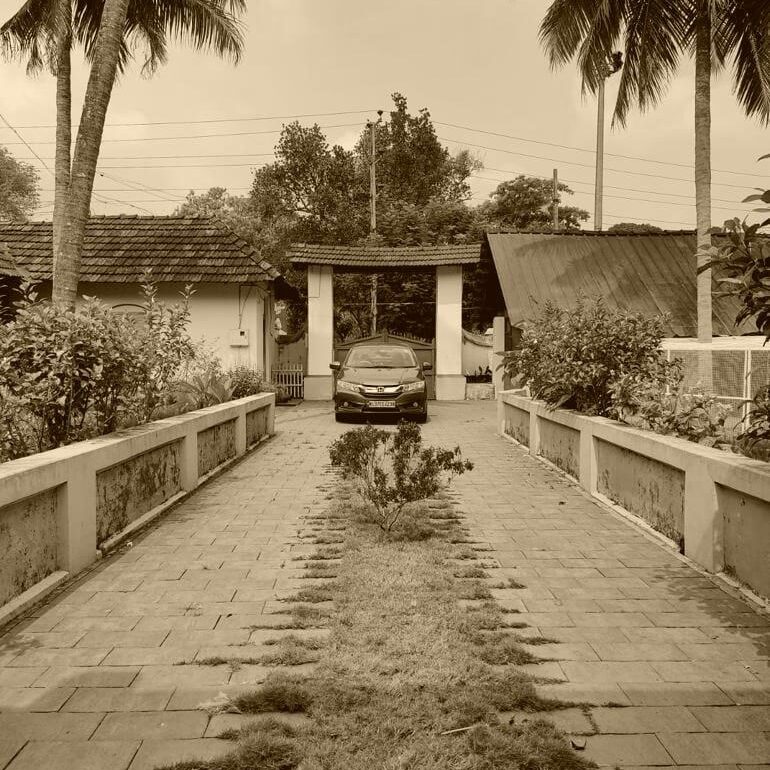
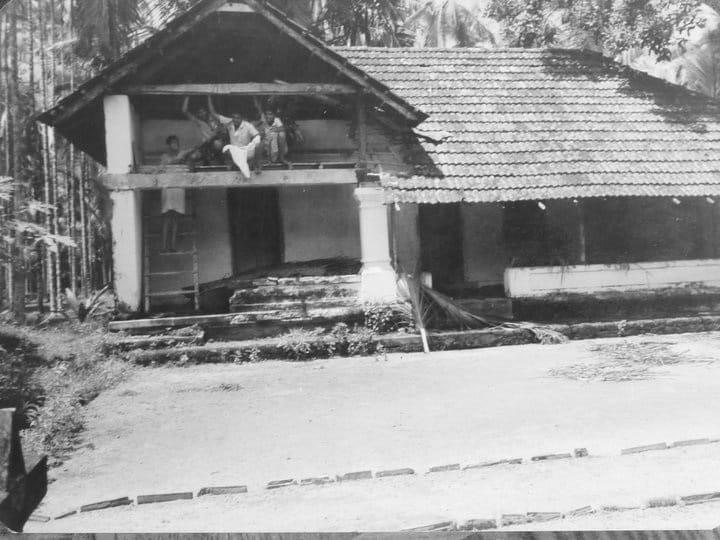
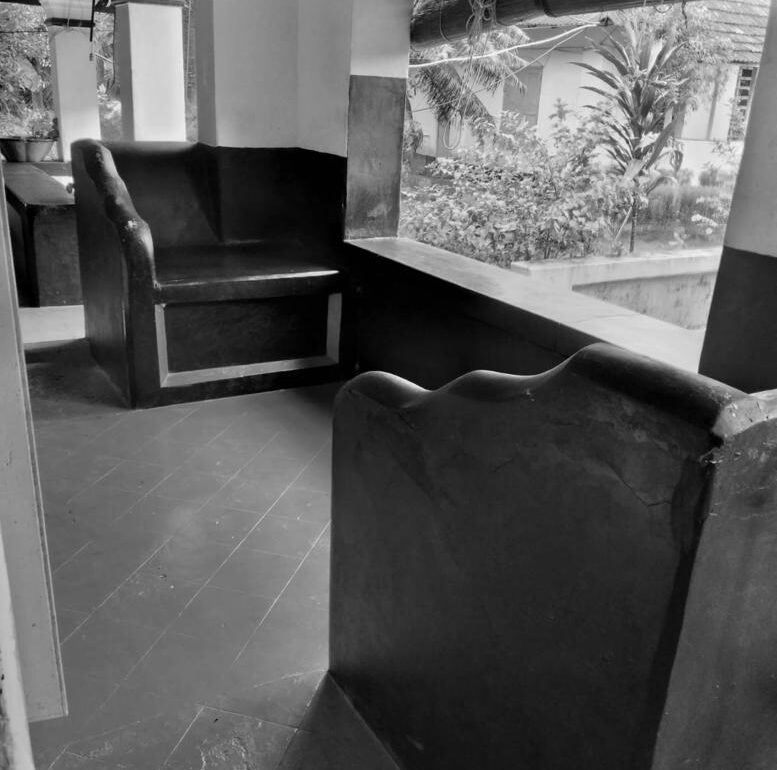
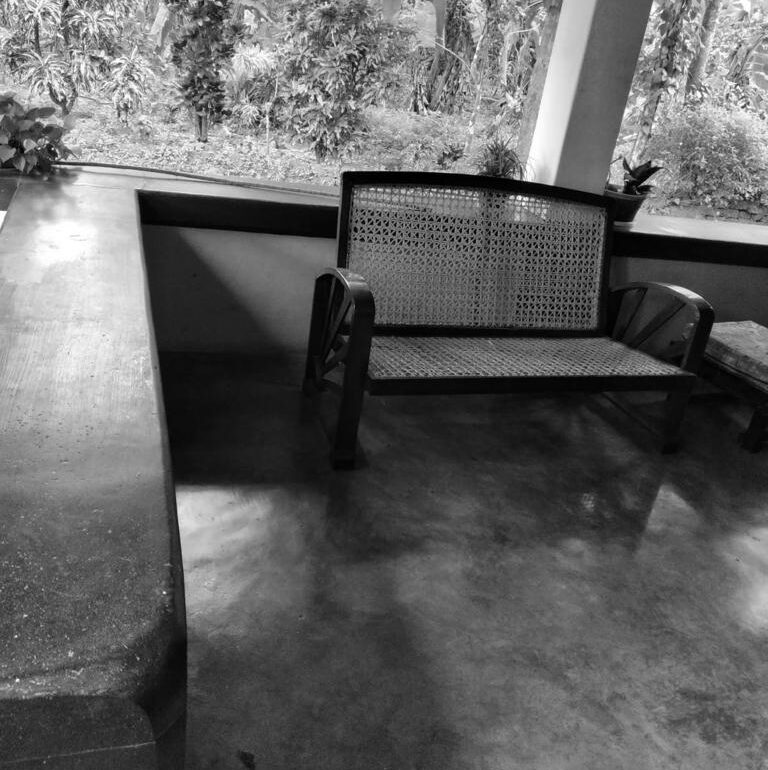
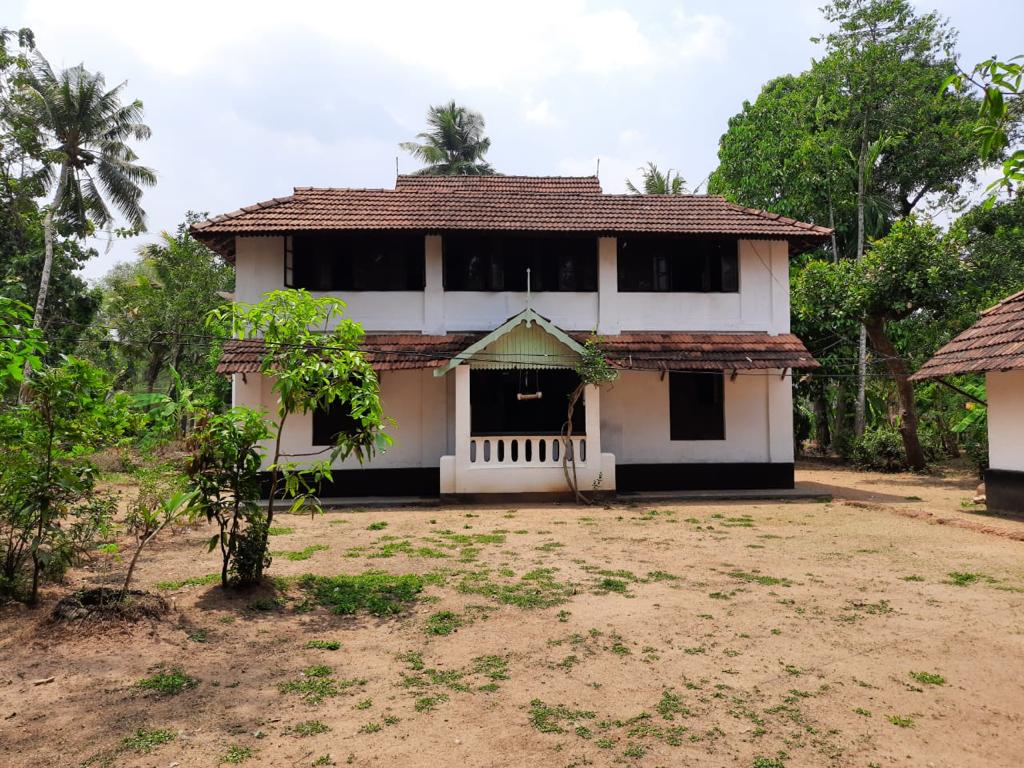
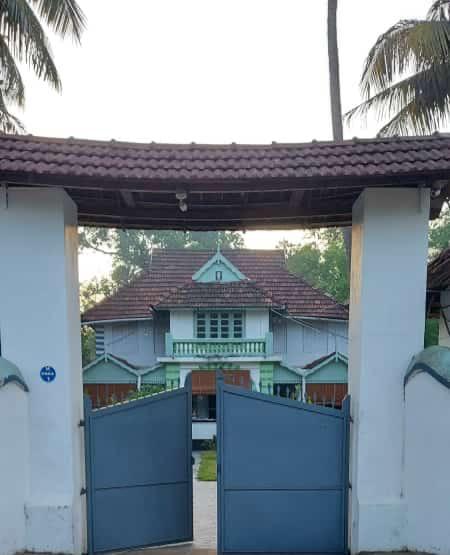
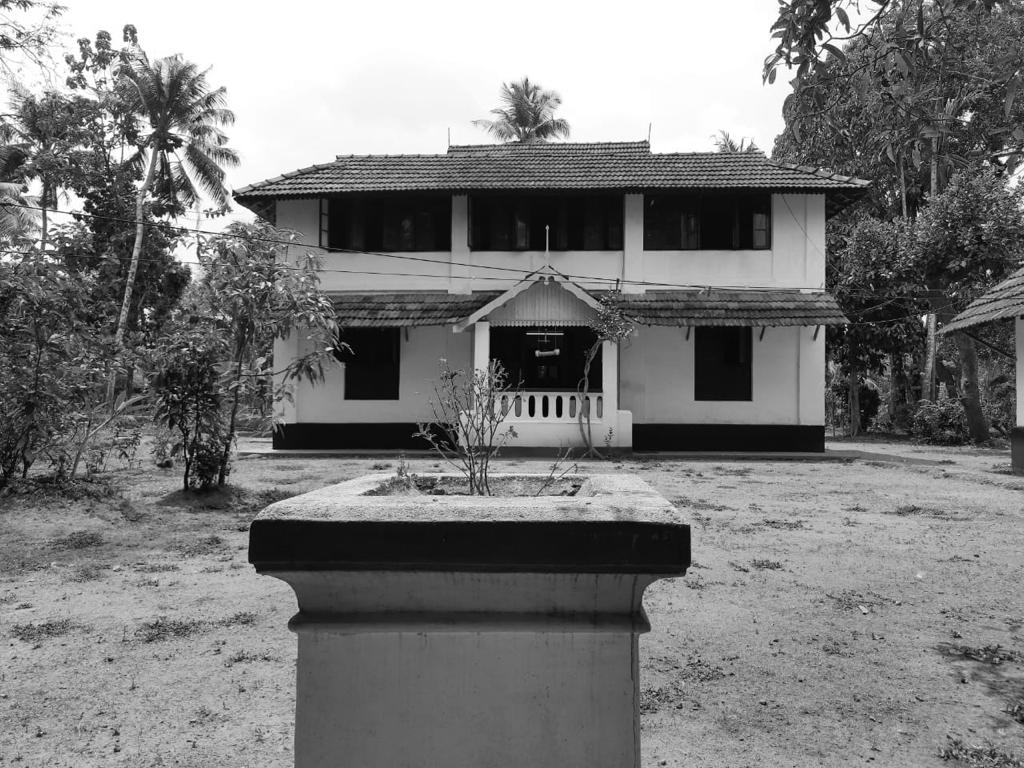
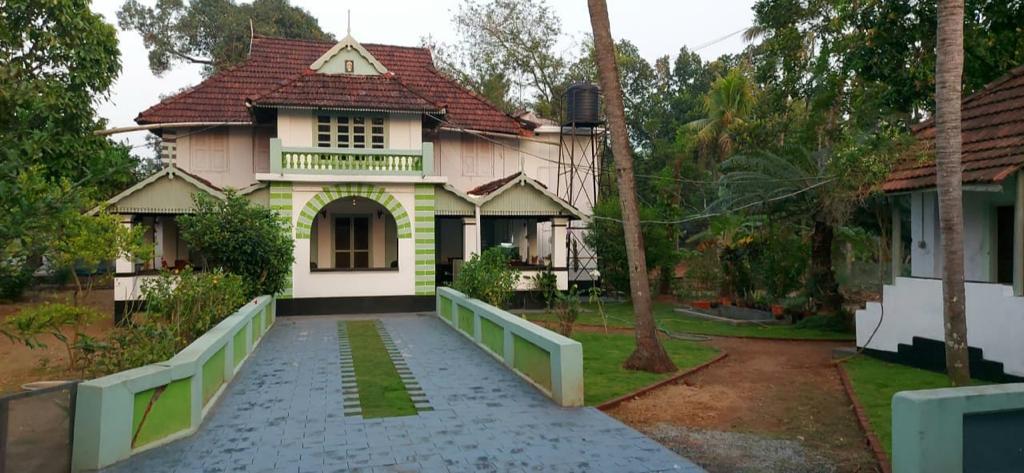
My grandmother’s house was popularly known as kovilakam or “palace” because my grandfather, who belonged to the Royal Family of Cochin, had rebuilt the house with the facade of a Kerala palace. Every part of the house filled us with pride, wonder and excitement – the stately gates, the arched foyer with two cement ‘thrones’, the inviting verandahs, the two huge ponds, and the lush green grounds. The annexes around the main house – the madapalli (a separate building housing the traditional kitchen/dining); the kayyala or large open shed with low walls which became a hub of activity during the harvest season; the huge wooden ara or storehouse for rice; the row of utility and storage rooms – all of them became our favourite hangouts
The house would take on a festive mood with noisy children scrambling around and relaxed mothers catching up on gossip. The madapalli would be on overdrive. Our grandmother, the matriarch, would be ready for us, having stocked the pantry with our favorite chips, pickles, and jams. Tins of snacks, sweets and savories would be securely stored in locked cupboards.
The trees dotting the grounds would be heavily laden with delicious ripe fruits ready to be picked – jackfruit, varieties of mangoes, pimento, jamuns (Indian blueberry), rose apples (chaambakka), lichees, cashew… an endless variety to feast on!
For us city-bred children, it was thrilling to roam the grounds every morning picking up fallen cashews and mangoes while enjoying the sights and sounds of little birds, butterflies and insects. Humming birds, cuckoos, mynahs, seven sisters, kingfishers, woodpeckers, dragon flies, and sparrows all added to the magic of the place. It was fun watching the ‘touch-me-nots’ wither at our touch; tasting the nectar in the banana flowers and tasting the nectar in them; plucking thaali leaves off the fence to prepare our shampoo. There was so much to do from dawn to dusk
Bath time meant long hours of luxuriant soaking and splashing around in the pond. The pond was curtained off with thick foliage. The ladies and children would head to the pond for their bath after breakfast. The maids would keep ready grandma’s special aromatic herbal oils, organic loofahs and herbs for shampooing. The children would splash around with towels round their waists or thrill when they successfully caught little fish with their towels. The older girls would learn to swim using coconut buoys and safely float the length and breadth of the pond. Our aunts amazed us with their dives and strokes. The boisterous, noisy, long bath sessions of the men and boys followed and we would be allowed to watch them competing to dive and somersault in the water.
This was followed by our daily visit to the ancestral home or tharavad – the ancestral home of aristocratic families in Kerala – next door where the matriarchs stayed. As we remember it, it was an all-women household – our blind great grandmother living with her daughters and grandchildren. Our favourite grandmother, a passionate and tireless raconteur, would leave all her chores to regale us with stories of princes, ogres, gods and fairies. Each story, very detailed and filled with imagery, would last hours or even stretch for days. This priceless and unique experience remains fresh in our minds even today.
Lunch was a noisy affair – steaming hot food served on rows upon rows of banana leaves placed on the floor. We ate sitting cross-legged legged in front of our banana leaf “plates”. The food was simple, traditional fare – hand-pounded red rice, spicy curries made of veggies from the kitchen garden and of course pappadam and buttermilk. Organic vegetables and cooking in firewood made even the simplest dishes special. It was a tasty and divine experience.
After lunch, we would all assemble for a riotous session of cards or dice. Card games were usually rummy or donkey and the traditional chukkuni or the pakida kali dice game for four, with specially made brass dice that clanged when rolled. Emotions and decibels ran high as the games got intense. To add to the mood, plates of mango, jack fruit or cashew nuts would be passed around and promptly devoured.
Most evenings were spent outdoors on the swings or roaming the grounds. Sometimes, uncles would teach us to make toys from coconut leaves to play with. It was a thrill for us to successfully create wrist watches, balls, snakes and even a sewing machine of sorts with baby coconuts that would stitch leaves!
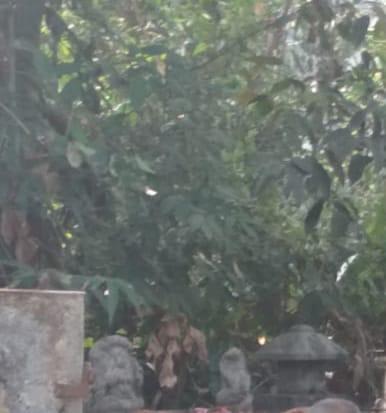
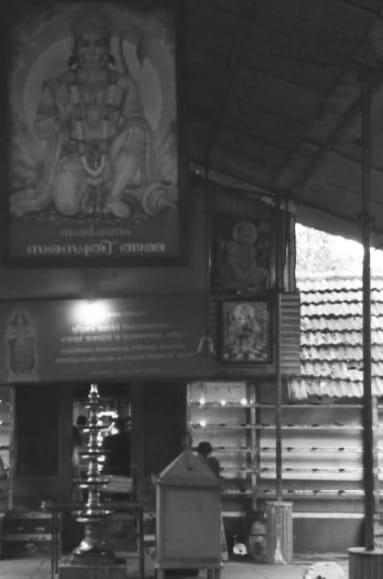
At dusk, it was a ritual to have a quick dip in the pond and light the lamp at the sarpa kaavu, the sacred grove for the family’s snake god followed b a lazy stroll in groups to the Hanuman temple in the neighbourhood.The special prasad of vada and sweet poha and coconut mixture was an added attraction
After an early dinner, the family would again assemble on the verandah and relax while the talented kids would entertain us with songs or mimicry or even skits complete with costumes and props. Sleep time meant a scramble for the best bedding or pillow as rows of grass mats were laid out on the floor in the huge hall. Sadistic cousins would narrate ghost stories that kept us terrified all night. The scrambling of civet cats, croaking toads and shrieking of night birds added to the general spooky feeling.
Visiting and revisiting these childhood memories always buoys my spirits. It is the legacy of these memories that continue to keep the bonding through three generations of our family alive and thriving.
Good news! Watch out for Part 2 of Jaanu’s memories of ‘Ende Keralam’!